Different Types of Bolts Guide
Essential Guide to Different Types of Bolts for Industrial and Construction Use
In the world of manufacturing, construction, and infrastructure, fasteners are the silent heroes that hold everything together. Choosing the right bolt is not just about size; it’s about understanding the specific application, load requirements, and environmental conditions.
Here is a breakdown of the most common types of bolts used in various industries today.
1. Hex Bolts (Hexagon Head Bolts)
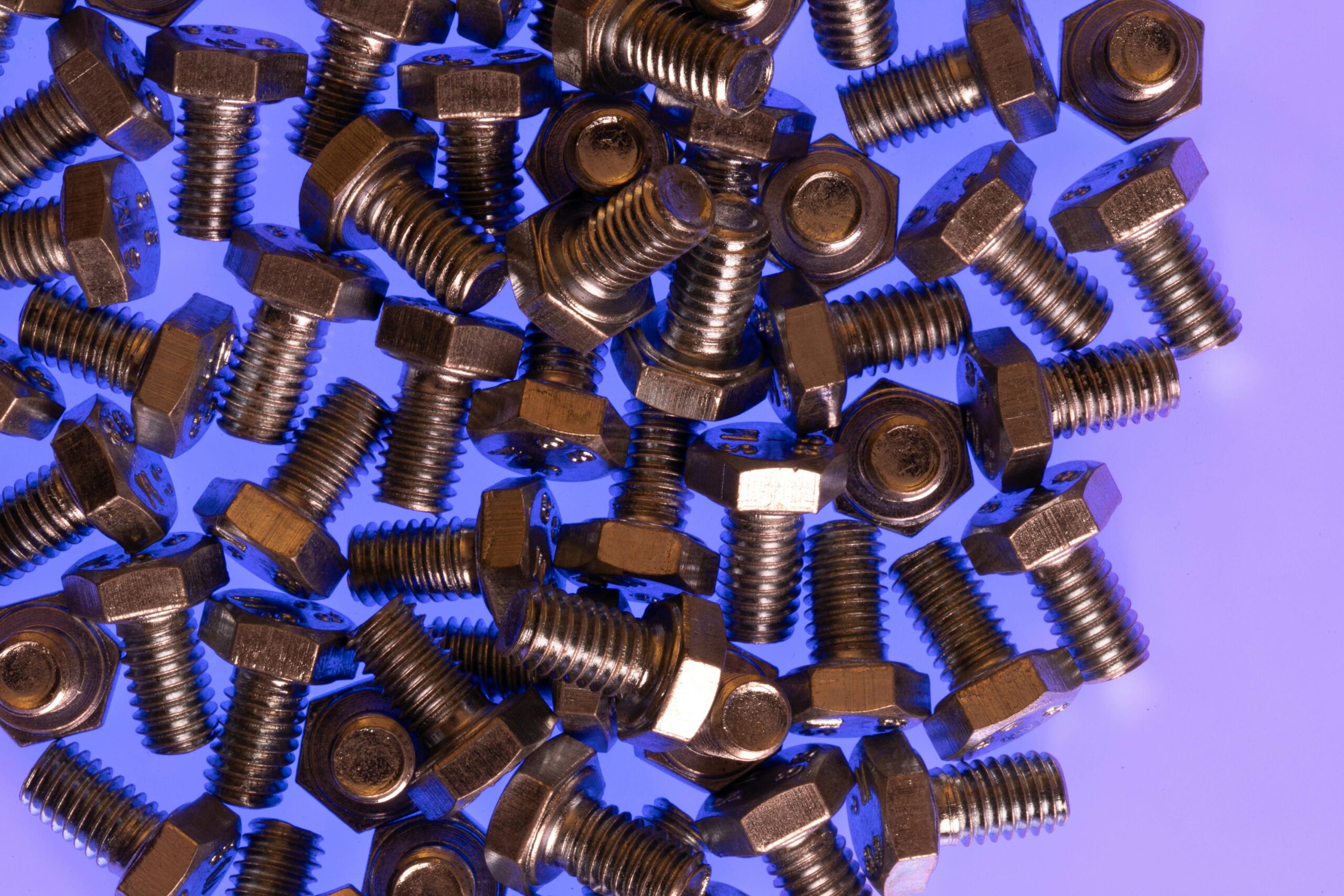
Hex bolts are the industry standard for general construction and repair. Their six-sided head allows for easy tightening with a wrench or socket.
Best For: Steel framing, machinery, and large-scale construction projects.
Key Feature: Available in various grades (like 8.8 or 10.9) to handle different tension levels.
2. Carriage Bolts
Distinguished by their rounded, dome-shaped head and a square neck underneath, carriage bolts are designed to lock into place when tightened into wood or metal.
Best For: Wood-to-wood or wood-to-metal connections where a smooth finish is required on one side.
Key Feature: The square neck prevents the bolt from turning while the nut is being tightened.
3. Lag Bolts (Lag Screws)
Technically a heavy-duty screw, lag bolts feature a hexagonal head but have deep, sharp threads designed to bite into wood.
Best For: Attaching heavy lumber or thick materials to wooden structures.
Key Feature: They create their own mating thread, providing an incredibly strong grip.
4. Eye Bolts
These bolts feature a circular loop at one end instead of a standard head. They are specifically designed for lifting and anchoring.
Best For: Securing cables, wires, or chains for lifting machinery or securing loads.
Key Feature: Available in “shouldered” versions for angular loads or “plain” for vertical lifting.
5. U-Bolts
Shaped like the letter ‘U’, these bolts are threaded on both ends. They are primarily used to secure pipes or round objects.
Best For: Plumbing, automotive exhaust systems, and securing round bars.
Key Feature: They provide a stable clamping force across a curved surface.
6. Expansion Bolts (Anchor Bolts)
Used predominantly in masonry and concrete, these bolts expand once inserted into a pre-drilled hole, creating a mechanical bond with the material.
Best For: Securing heavy equipment or structural beams to concrete floors or walls.
Key Feature: High pull-out strength in brittle materials.
Conclusion
Selecting the correct bolt ensures the safety and longevity of any project. Whether you are working on a small mechanical assembly or a massive infrastructure project, matching the bolt type to the material and load is essential.